
Andean Journal of Education 9(2) (2026) 6154
Methodological Approaches to Gamification in Chemistry Education: A Systematic Review (2015–2025)
Enfoques metodológicos de la gamificación en la enseñanza de la química: Una revisión sistemática (2015–2025)
Wendy Elizabeth Peralta Holguína 
 , Rolando Quishpe-Solanoa , Deisi Yunga-Godoya
a Universidad Técnica Particular de Loja. Facultad de Ciencias de la Educación. Calle Marcelino Champagnat, s/n (o Calle París), San Cayetano Alto. 1101608. Loja. Ecuador.
Received on December 18, 2025. Accepted on April 8, 2026. Published on May 20, 2026
https://doi.org/10.32719/26312816.6154
© 2026 Peralta Holguín, Quishpe-Solano, & Yunga-Godoy. CC BY-NC 4.0
Abstract
This study analyzes the methodological approaches used in the implementation of gamified activities in chemistry teaching. A systematic literature review was conducted following the PRISMA 2020 protocol, examining research published in Scopus between 2015 and 2025. A total of 43 studies were selected that describe methodological designs, instruments, and procedures in chemistry education contexts. The data were organized using an analytical matrix focused on the type of approach (quantitative, qualitative, or mixed), study design, data collection instruments, and analyzed variables. The results show a predominance of quasi-experimental and mixed-method studies that integrate quantitative and qualitative procedures to assess academic performance, motivation, attitudes, and digital competencies. Gamification significantly enhances students’ motivation, engagement, understanding of chemical concepts, and development of STEM-related skills. The review also identifies limitations such as the need for teacher training, technological resources, and structured planning. These findings contribute to guiding future research and pedagogical practices in chemistry education, reinforcing the use of evidence-based gamified strategies.
Keywords: gamification, chemistry education, active methodologies, methodological approaches, digital platforms
Resumen
Este estudio analiza los enfoques metodológicos utilizados en la implementación de estrategias de gamificación en la enseñanza de la química. Se llevó a cabo una revisión sistemática de la literatura siguiendo el protocolo PRISMA 2020, examinando investigaciones publicadas en la base de datos Scopus entre los años 2015 y 2025. Se seleccionaron un total de 43 estudios empíricos que describen diseños metodológicos, instrumentos de recolección de datos y procedimientos aplicados en contextos de educación química. La información se organizó mediante una matriz analítica centrada en el tipo de enfoque (cuantitativo, cualitativo o mixto), el diseño del estudio, los instrumentos de evaluación y las variables analizadas. Los resultados evidencian una predominancia de estudios cuasi-experimentales y de enfoque mixto, los cuales integran procedimientos cuantitativos y cualitativos para evaluar el rendimiento académico, la motivación, las actitudes y el desarrollo de competencias digitales y STEM. Asimismo, la gamificación demuestra efectos positivos en la motivación, el compromiso, la comprensión de conceptos químicos y la participación estudiantil. No obstante, también se identifican limitaciones relacionadas con la formación docente, la disponibilidad de recursos tecnológicos y la necesidad de una planificación pedagógica estructurada. Estos hallazgos aportan orientaciones relevantes para futuras investigaciones y para la implementación de prácticas pedagógicas basadas en evidencia en la enseñanza de la química.
Palabras clave: gamificación, educación química, metodologías activas, enfoques metodológicos, plataformas digitales
Introduction
Technological and social transformations over recent decades have profoundly reshaped educational systems, promoting more flexible, participatory, and digitally mediated learning environments. Within this evolving context, the teacher’s role has expanded beyond knowledge transmission to the design of meaningful learning experiences that foster autonomy, engagement, and conceptual understanding. Among the pedagogical strategies that have gained prominence is gamification, understood as the incorporation of game elements into non-game educational contexts to enhance motivation and learning outcomes.
In chemistry education, gamification has been increasingly adopted as a response to persistent challenges associated with conceptual abstraction, symbolic representation, and students’ low motivation toward the discipline. The literature reports positive effects on engagement, academic performance, and the development of STEM-related competencies. These findings are grounded in established theoretical frameworks such as Self-Determination Theory, Flow Theory, and constructivist perspectives on learning, which explain how interactive and challenge-based environments promote deeper cognitive processing and sustained motivation.
Despite the growing body of empirical studies on gamification in chemistry teaching, the field reveals considerable heterogeneity in methodological approaches. Research varies in design type, instruments used, variables analyzed, and implementation procedures. While many studies report positive outcomes, fewer investigations critically examine how these results are methodologically constructed, validated, and interpreted. Consequently, there is a need for a systematic analysis focused specifically on the methodological foundations that support gamified interventions in chemistry education.
It is important to clarify that the design of research does not determine the pedagogical structure of gamified experiences; rather, it provides the analytical framework through which these experiences are evaluated and validated. Decisions regarding experimental, quasi-experimental, qualitative, or mixed-method designs influence how learning outcomes, motivation, and engagement are measured, compared, and interpreted. Therefore, understanding the methodological choices underlying gamified interventions is essential to assess the robustness, transferability, and evidential value of reported findings.
From this perspective, the central problem guiding this study can be formulated as follows: although gamification has demonstrated promising educational effects in chemistry teaching, there is limited synthesis regarding the methodological approaches used to investigate these interventions and the extent to which they ensure rigorous and reliable evidence.
In response to this problem, the study addresses the following research questions:
What methodological approaches (quantitative, qualitative, or mixed) predominate in empirical studies on gamification in chemistry education between 2015 and 2025?
What types of research designs and data collection instruments are most frequently employed?
What variables are analyzed to assess the impact of gamified interventions?
What main outcomes and methodological limitations are reported in the literature?
To answer these questions, a systematic literature review was conducted following the PRISMA 2020 protocol, examining empirical studies indexed in Scopus during the period 2015–2025. By explicitly focusing on methodological dimensions, this review seeks to strengthen the epistemological and procedural foundations of gamification research in chemistry education and to provide evidence-based guidance for both researchers and practitioners.
Learning in Chemistry
Learning chemistry remains a persistent challenge due to the complexity and abstraction of its concepts. The discipline combines theory, experimentation, and logical reasoning, demanding the coordination of multiple cognitive processes. A recurrent difficulty lies in the limited connection between theoretical knowledge and real-life applications, which restricts comprehension and knowledge retention (López Banet & Martínez, 2021).
Traditional teaching often emphasizes rote memorization of formulas and procedures rather than conceptual understanding, leading students to perceive chemistry as fragmented and disconnected from their experiences (Galarza & Batista, 2024). This problem is partly explained by Johnstone’s (1991) representational model, which distinguishes between macroscopic, submicroscopic, and symbolic levels of chemical understanding. Many misconceptions arise from students’ inability to integrate these dimensions, resulting in superficial learning.
From a cognitive perspective, chemistry imposes a high intrinsic load because of its abstract and symbolic nature. Cognitive Load Theory (Sweller et al., 2019) emphasizes the importance of reducing extraneous load through scaffolding, visualization, and interactive representations. Digital tools and gamified simulations can balance cognitive demands by providing visual and experiential pathways that enhance conceptual understanding (Chiu, 2021; Diab et al., 2024).
Teacher preparation is another decisive factor. Many pre-service and in-service teachers continue to rely on transmissive pedagogies, with limited training in innovative strategies such as game-based learning, inquiry, or contextualized problem-solving (Elías et al., 2022). This gap restricts their capacity to foster curiosity, collaboration, and higher-order reasoning among students (Álvarez & Echevarría, 2024). Moreover, limited laboratory access in many schools hinders hands-on experimentation, constraining students’ ability to apply theoretical concepts. Virtual and augmented laboratories such as PhET Interactive Simulations offer feasible alternatives that replicate experimentation in safe, accessible, and cost-effective environments (Diab et al., 2024; Fuentes, 2024).
Recent literature highlights the effectiveness of active methodologies particularly gamification, project-based learning, and flipped models in addressing these challenges. Grounded in constructivist and situated learning perspectives (Vygotsky, 1978; Lave & Wenger, 1991), these approaches position learners as active agents who construct meaning through participation, reflection, and collaboration. In chemistry education, such frameworks promote autonomy, engagement, and sustained motivation while enhancing cognitive integration across representational levels (Galarza & Batista, 2024).
Ultimately, learning chemistry entails developing scientific reasoning, creativity, and critical thinking rather than merely acquiring factual knowledge. Meaningful improvement requires student-centered environments that integrate conceptual understanding, experimentation, and digital innovation. Within this context, gamification emerges as a powerful pedagogical approach that connects motivation with cognition, transforming chemistry into an engaging and conceptually coherent learning experience.
Impact of Gamification
Gamification has proven to be an innovative strategy in chemistry education, facilitating knowledge acquisition and enhancing student motivation. Its implementation in the classroom has helped transform the perception of chemistry as a subject traditionally regarded as difficult and abstract into a more dynamic and interactive learning experience. One of the main impacts of gamification is the notable increase in students’ motivation and engagement (Galarza & Batista, 2024).
Gamification is also effective in developing critical thinking and problem-solving skills within chemistry education contexts. By fostering the application of knowledge in practical situations, it promotes a deeper understanding of chemical concepts and processes (Vargas et al., 2023).
The integration of gamified elements in chemistry teaching has also been instrumental in the development of digital and STEM-related skills. In an ever-evolving educational context, gamification not only enhances motivation and academic performance but also prepares students to address real-world challenges through the use of educational technology. In this sense, teacher training in gamified methodologies is essential to ensure effective instruction aligned with current educational needs (Elías et al., 2022).
Despite its benefits, implementing gamification in chemistry education presents several challenges. Factors such as limited technological resources, teachers’ resistance to change, and the need for structured planning can influence its effectiveness. Nevertheless, the evidence suggests that when properly designed and implemented, gamification can transform chemistry education into a more engaging, meaningful, and productive learning experience for students (López Banet & Martínez, 2021).
Academic Outcomes
The impact of gamification on academic performance has been extensively examined in recent educational research, particularly within the domain of chemistry teaching. Evidence consistently shows that playful and interactive strategies enhance students’ motivation, persistence, and conceptual retention, leading to measurable improvements in academic achievement (López Santiago, 2024). Through the integration of challenges, rewards, and narrative structures, gamification transforms the learning process into an active and emotionally engaging experience, resulting in higher levels of concentration and task commitment (Hamari et al., 2016).
Gamified environments promote not only short-term gains in performance but also the consolidation of knowledge over time. Subhash and Cudney (2018) demonstrated that when learning tasks are embedded in interactive game mechanics such as levels, progress bars, and feedback loops, students exhibit improved long-term retention, a crucial outcome for chemistry, where conceptual understanding builds cumulatively. Moreover, gamification helps reduce test anxiety and fosters positive affective responses toward assessment, enhancing students’ self-efficacy and readiness to tackle complex chemical problems (Parra et al., 2020).
From a cognitive perspective, gamified systems encourage active processing, which strengthens connections between declarative and procedural knowledge. Interactive challenges and adaptive feedback promote deeper learning by requiring students to apply chemical principles in problem-solving contexts rather than relying solely on memorization (Galarza & Batista, 2024). In turn, this cognitive activation facilitates conceptual transfer across different chemistry topics, such as stoichiometry, molecular bonding, and reaction kinetics.
The educational impact of gamification depends heavily on its pedagogical design. Effective implementations ensure alignment between game elements and learning outcomes, fostering a balance between competition and collaboration. When learners perceive gamified activities as an integral component of instruction rather than as a peripheral entertainment resource, their engagement becomes more sustained and intrinsically motivated (Subhash & Cudney, 2018; Parra et al., 2020). Conversely, poorly structured gamification focused solely on extrinsic rewards can undermine motivation and limit cognitive engagement.
In the context of chemistry education, well-designed gamified interventions have been shown to improve not only test scores and conceptual mastery but also scientific reasoning, teamwork, and self-regulation (Fuentes, 2024). By turning abstract scientific content into interactive and meaningful experiences, gamification functions as a multidimensional pedagogical tool that strengthens learning outcomes and supports the development of transferable skills. Ultimately, its value lies in merging cognitive, motivational, and social dimensions of learning, enabling more effective and enduring educational achievement in the sciences.
Theoretical Foundations of Gamification in Education
Gamification’s educational effectiveness is grounded in established motivational and learning theories that explain how engagement and cognition interact within learning environments (Coelho & Abreu, 2025). Among these, Self-Determination Theory (SDT) (Deci & Ryan, 1985) provides the primary foundation, proposing that motivation flourishes when three psychological needs autonomy, competence, and relatedness are fulfilled. Autonomy involves perceived control and choice, competence reflects mastery of challenges, and relatedness refers to connection with others.
In gamified educational contexts, these needs are activated through design elements that promote agency, adaptive difficulty, and collaboration. Features such as choices, feedback, and goal progression align with autonomy and competence, fostering intrinsic motivation (Gao, 2024; Shen et al., 2024). When learners perceive success as self-directed, motivation persists beyond external rewards (Zakaria et al., 2020; Sangroya & Kabra, 2023). Conversely, overreliance on extrinsic incentives can reduce engagement once those stimuli are removed (Li et al., 2024). Thus, effective gamification balances external reinforcers SUCH AS points, badges, leaderboards with autonomy-supportive structures that sustain intrinsic drive (Wibisono et al., 2023).
Flow Theory (Csikszentmihalyi, 1990) complements SDT by explaining the deep engagement observed in gamified learning. Flow emerges when task difficulty matches skill level, generating focused enjoyment and persistence. Feedback, incremental progression, and clear goals maintain this balance, preventing both boredom and frustration while enhancing perceived competence (Mekler et al., 2015; David & Weinstein, 2023; Torresan & Hinterhuber, 2023). Keller’s ARCS Model (2010) comprising Attention, Relevance, Confidence, and Satisfaction adds an instructional design perspective. Gamification captures attention through interactivity, builds relevance through contextualization, fosters confidence via feedback, and delivers satisfaction through visible achievement (Aubert et al., 2023).
From a pedagogical standpoint, gamification aligns with constructivist and situated learning principles (Vygotsky, 1978; Lave & Wenger, 1991), which emphasize active participation and collaboration. Gamified classrooms replicate authentic contexts in which learners apply and negotiate meaning—particularly valuable in chemistry, where abstract phenomena become tangible through simulation and visualization (Bang et al., 2016; Jiménez et al., 2024).
Empirical studies confirm that gamified elements enhance learners’ autonomy, competence, and relatedness, leading to greater engagement and performance (Coelho & Abreu, 2025; Kramar & Knez, 2025). In sum, gamification’s theoretical strength lies in its ability to translate motivational and cognitive principles into interactive, learner-centered experiences that promote autonomy, mastery, and sustained engagement.
Gamification Tools and Digital Platforms in Chemistry Education
The integration of gamification tools and digital platforms has significantly transformed chemistry education by fostering immersive, interactive, and student-centered learning environments. Platforms such as Kahoot, Genially, Quizizz, Educaplay, Classcraft, and various Moodle plugins exemplify how game mechanics can increase participation and engagement in both virtual and physical classrooms. These platforms use elements such as points, badges, and leaderboards to promote healthy competition and active learning while simplifying complex chemical concepts through immediate feedback and visual reinforcement (Castillo et al., 2024; Fuentes, 2024).
Beyond traditional quiz-based platforms, digital gamification extends to the simulation of laboratory experiences. The PhET Interactive Simulations developed by the University of Colorado Boulder represent a pioneering approach, allowing students to manipulate variables and observe chemical phenomena in a risk-free virtual setting (Diab et al., 2024). Such simulations encourage conceptual understanding and experimental reasoning while circumventing the material, safety, and logistical constraints of physical laboratories (Jones, 2018).
Emerging technologies such as Virtual Reality (VR) and Augmented Reality (AR) have further expanded the scope of gamified chemistry education. These immersive tools enable students to visualize molecular structures in three dimensions, interact with atomic bonds, and observe dynamic chemical reactions at the submicroscopic level. VR-based environments, such as MedChemVR, have proven effective in enhancing students’ comprehension of structure–activity relationships and reaction mechanisms, particularly in medicinal chemistry (Abuhammad et al., 2021). Likewise, AR applications enrich conceptual visualization and spatial reasoning by overlaying digital models onto real-world laboratory contexts (Marrero & Hernández, 2022).
Gamified virtual laboratories also play a crucial role in laboratory safety training, allowing students to practice hazardous procedures in controlled digital spaces. Studies show that such environments enhance learners’ spatial reasoning, conceptual understanding, and safety awareness, leading to higher retention and improved performance in experimental settings (Parong & Mayer, 2018). Furthermore, the use of VR and AR technologies promotes equitable access to laboratory experiences by reducing cost barriers and enabling students from diverse educational contexts to conduct complex experiments remotely.
In summary, digital gamification tools ranging from interactive quiz platforms to immersive VR simulations constitute a powerful ecosystem for chemistry education. By combining engagement, visualization, and experiential learning, these tools not only make abstract concepts tangible but also cultivate critical thinking, autonomy, and scientific curiosity.
Methodology
This study is grounded in a systematic literature review (SLR) conducted in accordance with the PRISMA 2020 protocol (Page et al., 2021), which establishes rigorous standards for transparency and reproducibility in evidence-based research. The purpose of this review was to identify and analyze the methodological approaches employed in studies that implemented gamified strategies in chemistry education, emphasizing how these approaches contribute to student motivation, engagement, and academic performance.
Search Strategy
The search process was carried out in the Scopus database, given its multidisciplinary scope and its indexing of high-quality journals in the field of educational research. The search strategy used Boolean combinations of keywords such as “gamification”, “chemistry education”, “learning outcomes”, and “active methodologies”. The time frame considered included publications from 2015 to 2025, ensuring the inclusion of recent developments in educational innovation and technology-enhanced learning.
The search was intentionally limited to the Scopus database due to its multidisciplinary scope, extensive international journal coverage, and rigorous indexing standards. Scopus integrates high-impact journals in education, science, and technology, providing a robust and homogeneous corpus for systematic analysis. While databases such as Web of Science (WoS) also maintain high-quality indexing criteria, focusing on a single comprehensive database ensured consistency in search filters, comparability of bibliometric indicators, and feasibility of replication. Nevertheless, future reviews may benefit from incorporating additional databases to broaden the scope of analysis.
Eligibility Criteria
To ensure transparency and replicability, explicit inclusion and exclusion criteria were established prior to the screening process.
The inclusion criteria required that studies:
(a) be empirical research articles,
(b) be peer-reviewed publications,
(c) be published between 2015 and 2025,
(d) be indexed in Scopus, and
(e) explicitly address the implementation of gamification strategies in chemistry education contexts.
In addition, studies were excluded if they:
(a) were purely theoretical or conceptual papers without empirical data,
(b) focused on gamification in disciplines other than chemistry,
(c) addressed game-based learning without clearly incorporating structured gamification elements,
(d) were duplicates, or
(e) were not peer-reviewed academic publications.
Study Selection Process
The review followed a multi-stage selection process consistent with PRISMA 2020 guidelines. In the identification stage, a total of 123 records were retrieved. After the removal of 37 duplicates, 86 studies proceeded to the screening stage, where titles and abstracts were reviewed to verify thematic relevance and methodological suitability.
In the eligibility stage, full-text analysis allowed for the exclusion of studies that did not meet the predefined inclusion criteria. As a result, 43 studies were retained for final inclusion in this review. These studies met all methodological and thematic requirements established for the systematic analysis.
Figure 1 presents the PRISMA 2020 flow diagram summarizing the study identification, screening, and inclusion process.
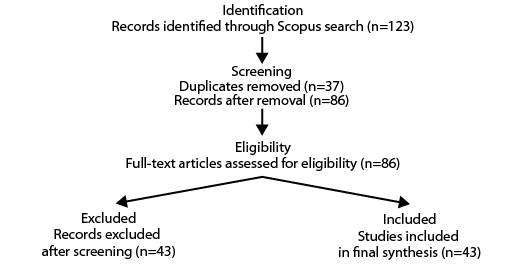
Fig. 1. Prisma 2020 Flow Diagram for Study Selection
Data Extraction and Analysis
Data extraction was carried out through the construction of an analytical matrix designed to ensure systematic coding and comparability across studies. Each article was examined in relation to its research approach (quantitative, qualitative, or mixed), study design, data collection instruments, and variables analyzed, such as motivation, performance, or engagement.
To enhance the reliability of the analysis, the coding process was reviewed by two independent researchers who compared and consolidated their findings. The data were subsequently systematized through a thematic coding process, enabling the identification of common methodological patterns, differences among research approaches, and the main limitations reported by the authors.
The information obtained was synthesized to identify recurrent methodological tendencies, innovative practices, and reported limitations regarding the application of gamified activities in chemistry education. This integrative approach allowed for the development of a comprehensive understanding of how gamification has been methodologically conceptualized and implemented within educational contexts related to chemistry.
Results and Findings
Table 1 presents a synthesis of the methodological approaches and main findings reported in the studies included in this systematic review. The table summarizes key characteristics such as research approach, study design, sample size and context, assessment instruments, and principal outcomes related to the implementation of gamified strategies in chemistry education. This comparative overview allows for the identification of predominant methodological trends, commonly analyzed variables, and recurrent educational effects associated with gamification across different educational levels and contexts. Overall, the evidence highlights the frequent use of quasi-experimental and mixed-method designs, as well as the consistent reporting of positive effects on academic performance, motivation, engagement, and the development of digital and STEM-related competencies.
Table 1. Methodological Approaches and Main Findings in Studies on Gamification in Chemistry Teaching
|
Methodological approach |
Type of Study (Experimental / Qualitative) |
Sample |
Assessment Instruments |
Main Findings |
|
Action research with a mixed approach and quasi-experimental design. (Galarza & Batista, 2024). |
Quasi-experimental |
76 first-year high school students (Ecuador), divided into control and experimental groups |
Pre-test and post-test (24 items), satisfaction survey (Likert scale), performance observation in gamified games |
The experimental group showed significant improvement in academic performance (posttest mean: 9.31), motivation, and attitude. 97% perceived better understanding, participation, and retention. The Educaplay platform was highly valued as a teaching resource. |
|
Quantitative-descriptive research with didactic application (Fuentes, 2024). |
Case study |
33 second-year Primary Education degree students (Spain) |
Online questionnaire (Google Forms) with Likert items, open and multiple-choice questions |
100% of participants evaluated the methodology positively; 63.2% considered it very useful as a review tool. Collaborative work, logical reasoning, meaningful learning, and interest in chemistry were strengthened. |
|
Mixed-method study (document analysis, CDAES questionnaire, and descriptive statistics) (Elías et al., 2022) |
Quasi-experimental + Case study |
49 Chemistry Education students (Chile) |
CDAES questionnaire (43 items, 6 dimensions), curricular document analysis, statistical analysis |
Progressive improvement observed in digital and STEM competencies from 1st to 5th year. 95.4% showed positive attitudes toward ICT, especially in problem-solving, critical thinking, creativity, and digital tool use. |
|
Quantitative research with a descriptive design (Jiménez et al., 2022). |
Quasi-experimental |
78 secondary school Physics and Chemistry teachers (Spain) |
Self-administered online survey (closed and one open question) |
During confinement, the use of flipped classrooms and mobile learning increased. Virtual platforms and digital tools for assessment, feedback, and follow-up became consolidated. 89% of teachers reported more frequent ICT use after the pandemic. |
|
Systematic inquiry (López Santiago, 2024). |
Case study |
55 Chemistry students (8th semester, Faculty of Chemistry – UNAM, Mexico) |
Google Forms survey with Likert scale (1–5) and open-ended items |
Metacognition was activated, promoting meaningful learning and intrinsic motivation. 100% completed the activity; high scores in enjoyment (4.6), usefulness (4.7), and activation of prior knowledge. |
|
Mixed-method research: teacher training with activities based on inquiry, modeling, argumentation, and game-based learning (López Banet & Martínez, 2021). |
Qualitative with analysis of beliefs and teaching practices |
19 pre-service Chemistry teachers (Spain) |
Pre and post-intervention questionnaires, peer assessment of teaching units, portfolio and class design analysis |
Promoted a shift in epistemological beliefs toward student-centered approaches. Experiences with gamification, inquiry, and modeling fostered more reflective, contextualized, and scientifically grounded practices. |
|
Quantitative research focused on game-based learning (Vargas et al., 2023). |
Quasi-experimental |
198 upper-secondary students (Mexico), divided into control and three experimental groups |
Pre-test and post-test (26 items), cognitive level analysis (N1–N3), Hake gain index calculation |
The experimental group achieved a high Hake gain index (0.92) compared to the control group (0.59). Significant improvement in understanding and applying chemical nomenclature (IUPAC, Stock, and traditional systems), and increased motivation through the RUBIQUIM cube. |
|
|
|
|
|
The table summarizes the methodological characteristics of the reviewed studies, including the type of approach, research design, sample, assessment instruments, and the main results related to the implementation of gamified activities in chemistry teaching.
Discussion
One of the most significant contributions of this study lies in the evidence supporting the need to move beyond traditional teaching methodologies in chemistry education, which have often been characterized by fragmented content delivery and memorization-based instruction. The findings consistently indicate that well-designed gamified interventions promote greater conceptual integration, active participation, and meaningful engagement with chemical knowledge.
These results have important implications for both pre-service and in-service teacher education. The reviewed studies suggest that structured gamification strategies, particularly when supported by digital tools and interactive environments, can transform students’ perceptions of chemistry from an abstract and disconnected discipline into a dynamic and contextually relevant field of study.
Another noteworthy contribution of this review is the updated perspective on gamification, linking it not only to competitive mechanics such as points or badges but also to immersive and visualization-based technologies. Digital platforms, simulations, virtual laboratories, and immersive environments facilitate the concretization of abstract chemical concepts—such as molecular structures or submicroscopic processes—making them more tangible and cognitively accessible to learners.
Overall, the results and discussion maintain coherence with the study’s objective and demonstrate internal consistency between the theoretical framework, methodological design, and synthesized findings. The analysis not only highlights positive academic and motivational outcomes but also acknowledges structural limitations such as teacher training needs and technological access, providing a balanced and critical interpretation of the evidence.
Regarding methodological approaches, a predominance of mixed and quasi-experimental designs was observed. These combine qualitative and quantitative techniques to evaluate not only academic performance but also students’ emotions, perceptions, and attitudes. This methodological integration allows for a more faithful capture of the educational complexity that emerges when gamified strategies are implemented. Studies such as that of López Banet and Martínez (2021) advocate for the integration of student-centered models, in which games are not mere instructional tools but rather the structural axis of teaching practice. This perspective aligns with the principle of autonomy proposed by self-determination theory, as discussed by Manzano et al. (2024), where the student assumes an active role within meaningful learning experiences.
The most frequent study design was quasi-experimental, largely because many investigations were carried out in real educational contexts with pre-existing student groups, respecting natural classroom dynamics. This does not undermine the validity of the findings, as the instruments employed pre- and post-tests, satisfaction surveys, rubrics, and performance analyses demonstrated good reliability and internal consistency.
In terms of sampling, most studies were conducted with secondary, high school, and higher education students, primarily in STEM fields. This reflects a growing concern for improving learning in complex subjects such as chemistry and physics through playful and interactive tools. Additionally, the studies showed a wide variation in sample size, ranging from small groups of 19 students (as in López Banet & Martínez, 2021) to large samples of over 190 participants (as in Vargas et al., 2023), allowing for comparisons across different levels of applicability. Such methodological adaptability is consistent with progressive-level design principles proposed by González et al. (2020), as it accommodates the pace and diversity of learners.
The evaluation instruments used not only measured academic performance but also explored emotional, metacognitive, and motivational dimensions. Satisfaction scales, Hake gain index analyses, and perception surveys with open and closed questions provided a holistic view of the impact of gamified strategies. In studies such as that by Fuentes (2024), students positively valued the use of games as facilitators of learning, emphasizing their capacity to reinforce content, foster participation, and consolidate meaningful learning. This reinforces the claims made by Álvarez and Echevarría (2024), who highlight that immediate feedback systems strengthen student motivation and engagement.
Martínez et al. (2023) emphasize that contextualizing chemistry teaching through gamified dynamics supports the development of critical thinking. The main findings of this research indicate that in all cases, the implementation of gamified activities improved academic performance compared to control groups. For instance, in the study by Vargas et al. (2023), students using the RUBIQUIM cube achieved a Hake gain index of 0.92 (high gain), compared to 0.59 in the control group. Moreover, improvements were observed in knowledge retention and transfer, particularly in applying chemical nomenclature and solving problems in real-world contexts.
Motivation was also highly enhanced. Strategies such as digital games (Educaplay), collaborative challenges (escape rooms), and manipulative resources (RUBIQUIM cube) generated enthusiasm, active participation, and a sense of belonging in the learning process. This affective-emotional component is especially relevant, as it serves as a catalyst for developing critical thinking, autonomy, and self-confidence among students. These motivational effects can be explained through the ARCS model (Manzano et al., 2024), which emphasizes the importance of capturing learners’ attention and building confidence to achieve satisfaction and improved performance.
However, not all findings were positive. Several studies reported common limitations, such as the need for greater teacher training, resistance to methodological change, connectivity problems, and unequal access to technological devices. There is also the risk of over-relying on gamification as a single teaching strategy. Nonetheless, these barriers do not diminish the validity of the results; rather, they underscore the importance of strong institutional support and educational policies that promote more flexible, inclusive, and dynamic teaching and learning environments. These challenges had already been noted in the theoretical framework by Rodríguez et al. (2023), who emphasized the need for sound pedagogical planning and institutional accompaniment to ensure equitable access to digital resources.
Conclusion
The results of this systematic review highlight that gamification, when grounded in robust methodological design, constitutes an effective pedagogical strategy for improving motivation, conceptual understanding, and academic performance in chemistry education. The predominance of mixed and quasi-experimental studies reflects a growing interest in capturing the multidimensional nature of learning, addressing both cognitive and affective domains. The inclusion of digital platforms, manipulative tools, and interactive dynamics has transformed traditional teaching practices into more participatory and student-centered experiences.
The analyzed studies demonstrate that the diversity of gamified resources such as digital platforms, role-playing activities, and immersive environments fosters the development of both cognitive and socioemotional competencies. These approaches allow teaching to be adapted to different learning styles, promoting educational equity and supporting autonomous learning. Furthermore, gamification is consolidated as an effective didactic resource across multiple educational levels and modalities (face-to-face, virtual, and hybrid), showing improvements in knowledge retention, critical thinking, participation, and students’ academic self-esteem.
Nevertheless, the success of gamification depends largely on adequate teacher training, institutional support, and the strategic integration of technology within structured pedagogical frameworks. Future research should continue exploring longitudinal effects, diverse educational contexts, and the development of assessment instruments that measure not only performance but also the sustainability of motivation and engagement over time. Strengthening these areas will contribute to consolidating gamification as a powerful, evidence-based methodology for advancing meaningful learning in chemistry and other STEM disciplines.
Conflict of Interest Statement
The authors declare no conflicts of interest.
Author Contribution Statement
Wendy Elizabeth Peralta Holguín: Conceptualisation, Methodology, Data curation, Formal analysis, Investigation, Writing – original draft. Rolando Quishpe-Solano: Conceptualisation, Supervision, Formal analysis, Writing – review & editing. Deisi Yunga-Godoy: Methodology, Validation, Resources, Writing – review & editing.
Ethics Statement
This study is a systematic literature review and, as such, did not involve direct participation by human subjects or the use of animals. Consequently, neither informed consent nor ethical committee approval was required. Furthermore, the authors declare that the research process was conducted in accordance with international ethical principles of scientific integrity, transparency, and academic rigour.
AI Disclosure Statement
To assist with the organisation, linguistic review, and stylistic improvement of the English manuscript, the artificial intelligence tool ChatGPT (OpenAI) was utilised. This tool was employed exclusively for editing, translation, and linguistic correction under the direct supervision and responsibility of the authors. The use of this tool did not replace the researchers’ intellectual authorship or academic judgement.
References
Abuhammad, A., Falah, J., Alfalah, S., Abu-Tarboush, M., Tarawneh, R., Drikakis, D., & Charissis, V. (2021). “MedChemVR”: A Virtual Reality Game to Enhance Medicinal Chemistry Education. Multimodal Technologies and Interaction, 5(3). https://doi.org/10.3390/mti5030010
Álvarez, P., & Echevarría, C. (2024). Gamificación en tiempos de pandemia: Rediseño de una experiencia en educación superior. Revista Eureka sobre Enseñanza y Divulgación de las Ciencias, 20(2), 220401-220420. https://n9.cl/zydveg
Aubert, A., Scheidegger, A., & Schmid, S. (2023). Gamified Online Surveys: Assessing Experience with Self-Determination Theory. PLoS ONE, 18(10). https://doi.org/10.1371/journal.pone.0292096
Bang, J., Dalsgaard, C., Kjær, A., & O’Donovan, M. (2016). Opening Up Education: Some Pedagogical Considerations. European Association of Distance Teaching Universities. https://n9.cl/tioue
Castillo, L., Cabrera, P., & Ochoa, C. (2024). Using Genially and Kahoot for implementing CLIL in EFL Higher Education. International Journal of Learning, Teaching and Educational Research, 23(7), 250-270. https://doi.org/10.26803/ijlter.23.7.13
Chiu, W. (2021). Pedagogy of Emerging Technologies in Chemical Education during the Era of Digitalization and Artificial Intelligence: A Systematic Review. Education Sciences, 11(11). https://doi.org/10.3390/educsci11110709
Coelho, F., & Abreu, A. (2025). Systemic Gamification Theory (SGT): A Holistic Model for Inclusive Gamified Digital Learning. Multimodal Technologies and Interaction, 9(7). https://doi.org/10.3390/mti9070070
Csikszentmihalyi, M. (1990). Flow: The Psychology of Optimal Experience. Harper & Row. https://n9.cl/v274hf
David, L., & Weinstein, N. (2023). Using Technology to Make Learning Fun: Technology Use Is Best Made Fun and Challenging to Optimize Intrinsic Motivation and Engagement. European Journal of Psychology of Education, 39, 1441-1463. https://doi.org/10.1007/s10212-023-00734-0
Deci, E., & Ryan, R. (1985). Intrinsic Motivation and Self-Determination in Human Behavior. Springer. https://n9.cl/f37va
Diab, H., Daher, W., Rayan, B., Issa, N., & Rayan, A. (2024). Transforming Science Education in Elementary Schools: The Power of PhET Simulations in Enhancing Student Learning. Multimodal Technologies and Interaction, 8(11). https://doi.org/10.3390/mti8110105
Elías, M., Pérez, J., Del Rosario, M., Carrasco, E., Tomljenovic, M., & Zuñiga, E. (2022). Development of Digital and STEM Skills in Chemistry Teacher Training. Frontiers in Education, 7. https://doi.org/10.3389/feduc.2022.932609
Fuentes, S. (2024). Creating a Chemical Escape Room at the University Level: Innovative Resources for Future Primary School Teachers. Journal of Chemical Education, 101(12), 5369-5375. https://doi.org/10.1021/acs.jchemed.4c00994
Galarza, A., & Batista, M. (2024). Gamificación para favorecer el aprendizaje de la nomenclatura de óxidos metálicos en estudiantes de bachillerato. Educación Química, 35(1), 52-63. https://doi.org/10.22201/fq.18708404e.2024.1.86211
Gao, F. (2024). Advancing Gamification Research and Practice with Three Underexplored Ideas in Self-Determination Theory. TechTrends, 68, 661-672. https://doi.org/10.1007/s11528-024-00968-9
González, E., Almeida, M., Torres, A., & Traba, Y. (2020). La gamificación como herramienta educativa: El estudiante de contabilidad en el rol del gerente, del contador y del auditor. Formación Universitaria, 13(5), 155-164. https://doi.org/10.4067/S0718-50062020000500155
Hamari, J., Shernoff, D., Rowe, E., Coller, B., Asbell-Clarke, J., & Edwards, T. (2016). Challenging Games Help Students Learn: An Empirical Study on Engagement, Flow and Immersion in Game-Based Learning. Computers in Human Behavior, 54, 170-179. https://doi.org/10.1016/j.chb.2015.07.045
Jiménez, E., Montes, E., & Santos, M. (2022). Impact of the COVID-19 Confinement on the Physics and Chemistry Didactic in High Schools. Sustainability, 14(11). https://doi.org/10.3390/su14116754
Jiménez, G., Heras, C., Fabre, N., & Calafell, G. (2024). Gamifying Teacher Education with FantasyClass: Effects on Attitudes towards Physics and Chemistry among Preservice Primary Teachers. Education Sciences, 14(8). https://doi.org/10.3390/educsci14080822
Johnstone, A. (1991). Why Is Science Difficult to Learn? Things Are Seldom What They Seem. Journal of Computer Assisted Learning, 7(2), 75-83. https://doi.org/10.1111/j.1365-2729.1991.tb00230.x
Jones, N. (2018). Simulated labs are booming. Nature, 562(7725), S5-S5. https://doi.org/10.1038/d41586-018-06831-1
Keller, J. (2010). Motivational Design for Learning and Performance: The ARCS Model Approach. Springer. https://n9.cl/8190g
Kramar, U., & Knez, M. (2025). Gamified Learning for Sustainability: An Innovative Approach to Enhance Hydrogen Literacy and Environmental Awareness through Simulation-Based Education. Sustainability, 17(6). https://doi.org/10.3390/su17062694
Lave, J., & Wenger, E. (1991). Situated Learning: Legitimate Peripheral Participation. Cambridge University Press. https://n9.cl/dvh4d
Li, L., Hew, K., & Du, J. (2024). Gamification Enhances Student Intrinsic Motivation, Perceptions of Autonomy and Relatedness, but Minimal Impact on Competency: A Meta-Analysis and Systematic Review. Educational Technology Research and Development, 72, 765-784. https://doi.org/10.1007/s11423-023-10337-7
López Banet, L., & Martínez, M. (2021). Preservice Chemistry Teachers’ Epistemic Beliefs. Eurasia Journal of Mathematics, Science and Technology Education, 17(12). https://doi.org/10.29333/ejmste/11359
López Santiago, N. (2024). Gamificación para química analítica: Un cuarto de escape digital. Educación Química, 35(2), 187-195. https://doi.org/10.22201/fq.18708404e.2024.2.86355
Manzano, D., Flores, A., Salas, E., & Parra, M. (2024). Theories and Applications of School Motivation: Exploring the Reciprocal Relationship with Academic Achievement in Latin America. Journal of Ecohumanism, 3(4), 2274-2281. https://doi.org/10.62754/joe.v3i4.3752
Marrero, J., & Hernández, M. (2022). La trascendencia de la realidad virtual en la educación STEM: Una revisión sistemática desde el punto de vista de la experimentación en el aula. Revista de Pedagogía, 74(4), 45-63. https://doi.org/10.13042/Bordon.2022.94179
Martínez, G., Corzo, T., Mateos, M., & Naranjo, F. (2023). Implicaciones cognitivas y emocionales de la implementación de un videojuego para el aprendizaje de contenidos de ciencias en primaria. Eureka sobre Enseñanza y Divulgación de las Ciencias, 20(1). https://n9.cl/5fap8
Mekler, E., Brühlmann, F., Tuch, A., & Opwis, K. (2015). Towards Understanding the Effects of Individual Gamification Elements. Computers in Human Behavior, 71, 525-534. https://doi.org/10.1016/j.chb.2015.08.048
Page, M., McKenzie, J., Bossuyt, P., Boutron, I., Hoffmann, T., Mulrow, C., Shamseer, L., Tetzlaff, J., Akl, E., Brennan, S., Chou, R., Glanville, J., Grimshaw, J., Hróbjartsson, A., Lalu, M., Li, T., Loder, E., Mayo-Wilson, E., McDonald, S., McGuinness, L., Stewart, L., Thomas, J., Tricco, A., Welch, V., Whiting, P., & Moher, D. (2021). The PRISMA 2020 Statement: An Updated Guideline for Reporting Systematic Reviews. BMJ, 372. https://doi.org/10.1136/bmj.n71
Parong, J., & Mayer, R. (2018). Learning Science in Immersive Virtual Reality. Journal of Educational Psychology, 110(6), 785-797. https://n9.cl/vwi4oi
Parra, A., Segura, A., & Romero, C. (2020). Análisis del pensamiento creativo tras una experiencia de gamificación. Educar, 56(2), 475-489. https://doi.org/10.5565/rev/educar.1104
Rodríguez, M., Esteban, M., López, M., & García, O. (2023). Evaluación de la combinación de clase invertida y uso de aplicaciones para promover una docencia universitaria interactiva. Educar, 59(2), 367-383. https://doi.org/10.5565/rev/educar.1740
Sangroya, D., & Kabra, G. (2023). Improving Students’ Engagement Using Gamification. AIP Conference Proceedings, 2909. https://doi.org/10.1063/5.0181951
Shen, Z., Lai, M., & Wang, F. (2024). Influence of Gamification on Motivation and Learning Outcomes in Language Learning. Frontiers in Psychology, 15. https://doi.org/10.3389/fpsyg.2024.1295709
Subhash, S., & Cudney, E. (2018). Gamified Learning in Higher Education: A Systematic Review of the Literature. Computers in Human Behavior, 87, 192-206. https://doi.org/10.1016/j.chb.2018.05.028
Sweller, J., Ayres, P., & Kalyuga, S. (2019). Cognitive Load Theory. Springer. https://n9.cl/gzqarl
Torresan, S., & Hinterhuber, A. (2023). Continuous Learning at Work: The Power of Gamification. Management Decision, 61(13), 386-405. https://doi.org/10.1108/MD-12-2020-1669
Vargas, Y., Obaya, A., Sosa, P., Rivero, D., & Suemi, Y. (2023). El cubo Rubiquim como herramienta en el aprendizaje basado en juegos. Educación Química, 34(3), 143-161. https://doi.org/10.22201/fq.18708404e.2023.3.84724
Vygotsky, L. (1978). Mind in Society: The Development of Higher Psychological Processes. Harvard University Press. https://n9.cl/60a9e
Wibisono, G., Setiawan, Y., Aprianda, B., & Cendana, W. (2023). Understanding the Effects of Gamification on Work Engagement: The Role of Basic Need Satisfaction and Enjoyment among Millennials. Cogent Business & Management, 10(3). https://doi.org/10.1080/23311975.2023.2287586
Zakaria, N., Saripan, M., Subarimaniam, N., & Ismail, A. (2020). Assessing Ethoshunt as a Gamification-Based Mobile App in Ethics Education: Pilot Mixed-Methods Study. JMIR Serious Games, 8(3). https://doi.org/10.2196/18247
Peralta Holguín, W. E., Quishpe-Solano, R., & Yunga-Godoy, D. (2026). Methodological Approaches to Gamification in Chemistry Education: A Systematic Review (2015–2025) Revista Andina de Educación 9(2) 6154. Published under license CC BY-NC 4.0 

