
Revista Andina de Educación 9(1) (2026) 6055
Enhancing Engineering Design Skills of Gifted Middle School Students through Enriched Science Module Series
Mejorando las habilidades de diseño en ingeniería de estudiantes superdotados de secundaria mediante una serie de módulos de ciencias enriquecidos
Nurettin Can Bodura 
 , Cengiz Tuysuza , Ilker Ugulua
a Faculty of Education, Usak University. Ankara İzmir Yolu 8.Km Bir Eylül Kampüsü, Merkez / UŞAK, Turkey.
Received on October 6, 2025. Accepted on December 16, 2025. Published on February 25, 2026
https://doi.org/10.32719/26312816.6055
© 2026 Bodur, Tuysuz, & Ugulu. CC BY-NC 4.0
Abstract
This study aims to investigate the effects of an enriched module series prepared for gifted middle school students on the development of engineering design skills. In this context, a module series consisting of twenty activities was prepared. The module series was applied in a science course and the effect of the application on the engineering design skills of the students was analyzed, verified and explained. The study used an embedded quasi-experimental mixed design. The research group consisted of 69 gifted middle school students studying at a Science and Art Center (SAC) in Turkey. The application lasted for 18 weeks, 2 hours per week. Quantitative data were collected with the engineering design process skills scale. Qualitative data were collected with interview forms and student reports. Quantitative data were analyzed with ANCOVA and qualitative data were analyzed with descriptive analysis and content analysis. Quantitative results showed that the enriched module series had a positive effect on the engineering design skills of the students. The collected qualitative data showed that the application contributed especially in terms of identifying the problem, determining the needs and limitations, scanning the literature, producing solution proposals, planning the design process, designing, testing the design, redesigning and reporting.
Keywords: gifted students, engineering design skills, enriched science modules, STEM education, differentiated instruction
Resumen
Este estudio tiene como objetivo investigar los efectos de una serie de módulos enriquecidos, preparados para estudiantes superdotados de secundaria, sobre el desarrollo de habilidades de diseño en ingeniería. En este contexto, se elaboró una serie de módulos compuesta por veinte actividades. La serie de módulos se aplicó en un curso de ciencias y se analizó, verificó y explicó el efecto de dicha aplicación en las habilidades de diseño en ingeniería de los estudiantes. El estudio utilizó un diseño cuasiexperimental integrado mixto. El grupo de investigación estuvo conformado por 69 estudiantes superdotados de secundaria que cursan en un Centro de Ciencia y Arte (SAC) en Turquía. La aplicación duró 18 semanas, con 2 horas semanales. Los datos cuantitativos se recolectaron mediante la escala de habilidades del proceso de diseño en ingeniería. Los datos cualitativos se recolectaron mediante formularios de entrevista e informes de los estudiantes. Los datos cuantitativos se analizaron mediante ANCOVA y los cualitativos mediante análisis descriptivo y de contenido. Los resultados cuantitativos mostraron que la serie de módulos enriquecidos tuvo un efecto positivo en las habilidades de diseño en ingeniería de los estudiantes. Los datos cualitativos recolectados mostraron que la aplicación contribuyó especialmente en la identificación del problema, la determinación de necesidades y limitaciones, la revisión de la literatura, la generación de propuestas de solución, la planificación del proceso de diseño, el diseño, la prueba del diseño, el rediseño y la elaboración de informes.
Palabras clave: estudiantes superdotados, habilidades de diseño en ingeniería, módulos de ciencias enriquecidos, educación STEM, instrucción diferenciada
Introduction
The readiness of new generations for developing technologies necessitates individuals who can use or develop new technologies consciously, sustainably and effectively (Kirschner & Selinger, 2003). This situation has caused a change in the qualities of educated people and has pushed societies towards new searches in the understanding of education. In this context, it has become important to integrate current technologies into the education process with an interdisciplinary understanding (Tüysüz et al., 2024). In recent years, there has been a tendency to transfer engineering design skills, which enable the transformation of a new idea into a product or service, to teaching processes within the scope of students transforming their new ideas into products or services with an interdisciplinary approach and reaching the level of innovation. It is observed that this transformation in education is also reflected in the curriculum of some courses. For example, in the curriculum of science courses, engineering design skills, problem-solving skills and innovative thinking are included as approaching problems from an interdisciplinary perspective and creating a product using the acquired knowledge and skills and adding value to this product.
Engineering Design Skills and Conceptual Framework
Engineering design skills are a set of skills that enable students to develop creative solutions using their scientific knowledge, plan problem-solving processes, and apply various engineering methods in these processes (Shanta & Wells, 2022). Turkey’s Ministry of National Education (MoNE, 2019) explained engineering and design skills as “the ability to solve problems from an interdisciplinary perspective by integrating science with mathematics, technology and engineering, to make inventions or innovations with the knowledge and skills acquired, and to add value to their inventions.” Moazzen et al. (2014) classified these skills as determining goals, making plans, gathering information, producing alternative designs, selecting alternative designs, modelling, design revision, reporting and presenting.
In engineering design skill applications, the development of knowledge and skills for engineering design and the understanding of science that has a function in the design process is expected (Wendell & Rogers, 2013). Dym et al. (2005) stated that design is an important part of the engineering process and defined the process as a systematic, intelligent process that designers produce to meet the needs of the relevant parties. There are different engineering design process models according to the ages of the individuals in the relevant literature (Fan & Yu, 2016). This study is based on the nine stages stated by Hynes et al. (2011), which is the result of a study conducted at the university level (Figure 1). The design process involves determining the criteria for the problem, investigating possible solutions, preparing a prototype for the selected solution, testing the prototype and repeating the previous steps.
In this application process, the students define the problem situation in the first stage. When applied to students at the primary school level, the teacher can give the problem situation. However, the important element here is that the problem situation should be in an open-ended format that can have more than one solution (Hynes et al., 2011). After defining the problem situation, the students develop possible solution suggestions in line with their research. Then, they select the solution path they think is most appropriate and create a prototype of their solution. They test whether their solutions work in solving the problem. In the next stage, the students share the solution suggestions they developed through a presentation, document or model. Then, they design new basic problems to optimize their design and reach a final decision in this direction (Ayaz & Sarikaya, 2019).
Fan and Yu (2016) examined the factors affecting the process in engineering design. It has been revealed that students’ interests and metacognitive skills are the situations that affect engineering design the most. However, they did not mention which steps in the design process there are deficiencies and how. In addition, it is seen in the relevant literature that the opinions of teachers or teacher candidates were taken about engineering design skills and the processing and applicability of this skill in the curriculum (Ayaz & Sarikaya, 2019). In these studies, it was aimed to reveal the difficulties and problems in the process regarding engineering design skills. However, no educational application or activity was carried out while determining these problems. It would be more realistic to make a specific application and determine its effects while determining the effects of the engineering design process or the skills in this process. With the application, concrete evidence will be obtained about how much success was achieved at which points while making engineering design.
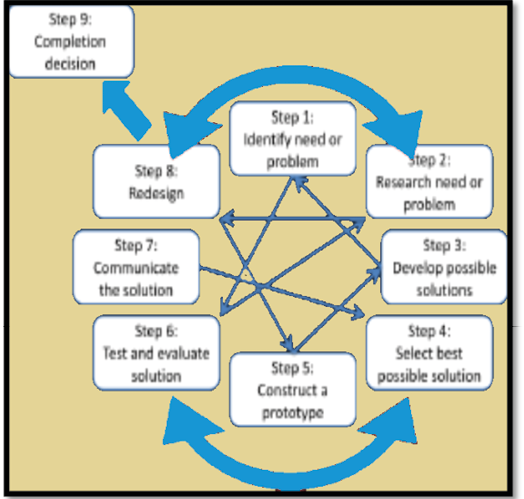
Figure 1. Engineering Design Process (Hynes et al., 2011)
When all these studies on engineering design-based education are examined, it is seen that they generally contribute to creative and critical thinking skills, which are 21st-century skills, leave positive impressions on individuals who receive education and direct individuals to design new products or ideas.
Gifted Education and Mainstream Applications in Turkey
Gifted individuals are leaders of society in various areas of influence with the potential they have (Ugulu, 2019; Wai, 2013). This potential may be more pronounced in mental activity, cognitive resources or individual talent compared to their peers. In this respect, gifted individuals need to be educated in a way that supports them in line with their talents. Some differences can be seen in the field of gifted education by country. Gifted education strategies can be divided into five groups: diagnosis, acceleration, curriculum compression, grouping, pulling out and other special programs and teacher training (Ugulu, 2020). Differentiated education for gifted individuals in Turkey is provided by Science and Art Centers (SAC) (Bodur et al., 2022). Educational activities are carried out in SACs within the framework of programs prepared in line with the talents of gifted students. These educational activities are carried out with educational practices enriched with an interdisciplinary and student-centred approach. Students come to SACs after school and receive education, and the courses are mostly activity and project-based (MoNE, 2019).
Various curriculum differentiation models have been proposed for the science education of gifted students. One of these is the Purdue Three-Stage Enrichment Model. This model has four goals. These goals can be listed as; ensuring that gifted students use their mental capacities effectively, supporting the development of self and self-confidence with small group interactions, ensuring that students use their mental abilities at the highest level with challenging educational activities, and providing students with independent and free work opportunities to turn them into effective learners (Moon et al., 2009). The Purdue Three-Stage Enrichment Model consists of three consecutive stages (Hoover, 1989). In the first stage, applications are made in divergent and convergent thinking skills to help develop scientific process skills. In this stage, activities that can develop flexibility, fluency and comprehensive thinking skills are organized for students. In the second stage, students are confronted with a problem. The problem is discussed in detail and different methods are applied for its solution. The third stage is the stage where students develop an independent study plan and in-depth study on a subject in their areas of interest. Students have the opportunity to apply what they have learned in the first two stages in the third stage.
It is an important requirement for gifted students to be able to work in a planned and systematic way to obtain scientific information about a problem they encounter or to question the accuracy of the information. In this context, the inquiry-based learning approach is one of the curriculum enrichment approaches frequently used in the science education of gifted students (Van Tassel-Baska & Brown, 2007). This approach aims to provide students with the mental ability to look at the world from the perspective of a scientist and to allow students to internalize scientific skills (Robinson et al., 2007). In the education of gifted students; it has been observed that this approach yields positive results in terms of experiencing solutions to complex daily life problems by entering into active learning experiences, discussion and providing high-level skill development, and its use in education of gifted students is recommended (Cotabish et al., 2013). The SAC Science course program aims to enable gifted students to realize their talents and to gain the field-specific attitudes and skills necessary to maximize their creativity and potential (Ugulu, 2021). It also aims to direct students towards the science fields in which they are most interested, and talented, and can work in depth in the future (MoNE, 2019).
Purpose and rationale
Gifted students have the knowledge and skills to go beyond the standard curriculum in science education processes. They need enriched educational programs where they can develop their talents. For this reason, it is important to diversify the science curriculum and use enriched curriculum tools (Maker, 1982). In addition, determining and supporting individual interests is of great importance in the education of gifted students (Renzulli, 1978). In the study conducted by Bodur et al. (2022), it was observed that the in-class activities in the science education curriculum of gifted students were insufficient in terms of number and/or variety. However, it is thought that introducing the activities that make up the science curriculum to students through various means (posters, etc.) and allowing students to choose is an effective way to realize individual talents. This study aims to examine and evaluate the impact of the module series developed for gifted middle school students on the engineering design skills of the students.
Method
Research Design
In the study, an embedded quasi-experimental design was used. This design is one of the mixed research method designs. In the mixed research method, quantitative and qualitative data sources are used together to seek a solution to the problem (Creswell, 2021). With this research, quantitative results were tried to be explained and presented in depth using qualitative data (Ugulu, 2009; Yorek et al., 2010a and 2010b). In this study, quantitative data was collected with a pre-test and post-test. Some of the qualitative data was collected during the intervention and some after the quantitative data collection process. The data was integrated within certain rules. Thus, the qualitative data and quantitative results were tried to be explained and verified. The research process is as in Figure 2.
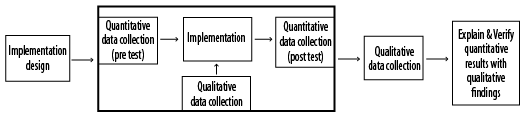
Figure 2. Research process chart (Creswell, 2021)
Certain precautions were taken to ensure the validity and reliability of the research. For this purpose, expert opinions were obtained for preliminary preparation, module series development, creation of interview forms and working processes. Information on experts is as in Table 1.
Table 1. Information on experts consulted
|
Expert Code |
Gender |
Institution |
Section |
Title |
|
U-1 |
Male |
Usak University |
Science Education |
Assoc. Prof Dr. |
|
U-2 |
Male |
Usak University |
Maths Education |
Assoc. Prof Dr |
|
U-3 |
Male |
Usak University |
Special Education |
Assoc. Prof Dr |
|
U-4 |
Female |
Çanakkale University |
Science Education |
Dr. |
|
U-5 |
Female |
SaC |
Science Education |
Teacher (Dr.) |
|
U-6 |
Male |
SaC |
Science Education |
Teacher (M.Sc.) |
|
U-7 |
Male |
SaC |
IT Technologıes |
Teacher (Dr.) |
|
|
|
|
|
|
Research Group
The research group consists of 69 gifted middle school students who receive education within the scope of the Individual Abilities Recognition Program (IARP) at SACs located in different provinces of Turkey. The experimental group consists of 37 students and the control group consists of 32 students. The names of the students were kept confidential. Girls were coded as “G1, G2…” and boys as “B1, B2…” The research group was selected with Typical Case Sampling. The students receiving education at SACs were students who were already diagnosed as gifted and met the necessary conditions to take the IARP Science course. The research group, from which the qualitative data would be collected, was formed by selecting volunteer students who best reflected the situations that needed to be explained. Information about the students in the experimental group is in Table 2.
Table 2. Information about the Students in the Research Group
|
Province/ District |
Grade Level |
Gender |
Total |
|||
|
Grade 5 |
Grade 6 |
Grade 7 |
Girls |
Boys |
||
|
Uşak/Center |
- |
7 |
2 |
1 |
8 |
9 |
|
Uşak/Eşme |
- |
5 |
4 |
5 |
3 |
8 |
|
Rize/Center |
8 |
- |
- |
6 |
2 |
8 |
|
Konya/Center |
- |
6 |
- |
- |
6 |
6 |
|
Kütahya/Gediz |
2 |
4 |
- |
4 |
2 |
6 |
|
|
|
|
|
|
|
|
Enriched Module Series Development Process
The enriched module series consists of 20 activities designed by the researchers. These activities are prepared in the form of modules. The activities are structured in an interdisciplinary structure. Each activity consists of topics and disciplines integrated within a theme framework. The science discipline is at the center of the activities. Each activity has certain limits and duration. The modules used in education can be defined as structured learning units designed to achieve certain educational goals. Modules have certain limits; they are planned teaching materials created according to a planned time and structure, each stage of which is planned (Ugulu et al., 2015). One of the prepared modules is designed as a mandatory activity. This activity is done first in practice. The others are designed based on student selection. The mandatory activity provides students with information about scientific research and engineering design processes and includes a sample application. Supporting materials have been prepared for each module activity. Of these, activity plans are prepared for teachers, and activity notebooks are prepared for students. Each activity notebook contains an introduction, problem status, discovery and research process guide, evaluation sections and a research report related to its own activity. Additionally, activity posters were prepared to assist students in the activity selection process.
Module activities have been prepared based on the achievements of the SAC Science Course Individual Abilities Realization Program (IARP) Framework Curriculum (2021). In addition, the Mathematics, Technology Design, Information Technologies and Social Studies IARP framework curricula were used in the design process. The achievements in the program have been systematically grouped under certain themes. Module activities have been updated by taking into account the skills in the SAC Science Course IARP Framework Curriculum. The Purdue Three-Stage Enrichment model was used in the enrichment process (Moon et al., 2009). The design framework followed while developing the enriched activity modules can be expressed as in Figure 3.
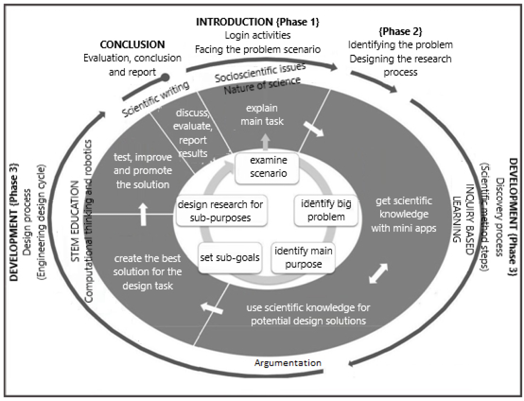
Figure 3. Enriched activity modules design framework
The Training Process of Teachers
Before the implementation, an 18-hour training course was given to the implementing teachers. In addition, a WhatsApp group was established and communication was provided after the course. An evaluation meeting was held at the end of each month during the implementation process. The evaluation meetings were held online. The training process was planned based on the professional development program design framework suggested by Loucks-Horsley et al. (2010) (Figure 4).
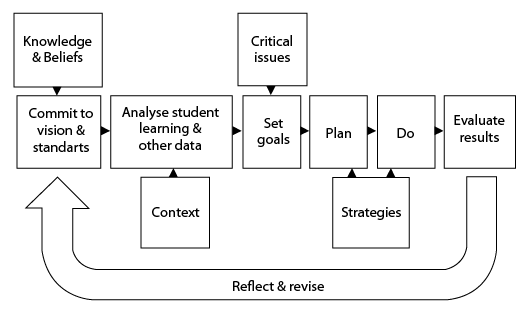
Figure 4. PD programme design framework (Loucks- Horsley et al., 2010)
Enriched Module Series Implementation Process
The application was carried out in five SACs providing education in the provinces of Uşak, Rize, Konya and Kütahya in Turkey in the first semester of the 2023-2024 Academic Year. Within the scope of the application, 2 lesson hours were given per week. The application lasted 18 weeks. The activities were carried out in student groups ranging from 4 to 8 people. The students completed the first activity, which was a mandatory activity. Then, they selected activities in groups. The students completed the activities they selected. Each group performed 4 activities with the application. The stages carried out during the implementation of the activities and the tasks carried out by the students in each stage can be schematized as in Figure 5.
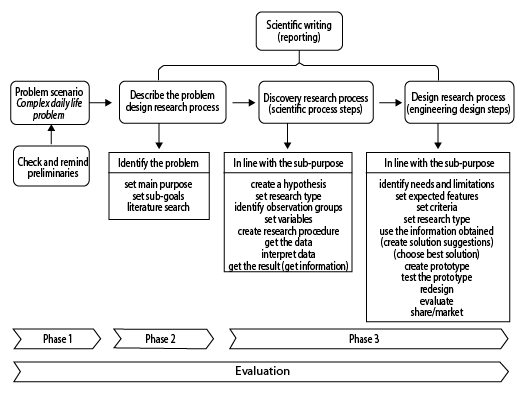
Figure 5. Scheme of activity implementation process
Data Collection Tools
Four data collection tools were used to answer the research questions. These are the engineering design skills scale, student interview form, teacher interview form and student reports.
Engineering Design Process Skills Scale
The first section of the “Engineering Design Survey” developed by Moazzen et al. (2014), the Engineering Design Process Skills Scale, was adapted to Turkish by Türkoğuz and Kayalar (2021). The scale items, which are in a 5-point Likert-type format, are rated as Very Easy (5), Easy (4), Medium (3), Difficult (2), Very Difficult (1). The lowest and highest scores that can be obtained from this test are 61 and 305. The decrease in the student’s score in this test indicates that the student’s success has increased. Validity and reliability studies of the scale have been conducted. In line with the pre-test and post-test scores, the internal consistency coefficient (Cronbach’s Alpha) value of the Engineering Design Process Skills Scale was calculated as 0.903 for the pre-test and 0.956 for the post-test.
Student Interview Form
This form was prepared by the researcher in a semi-structured format. The form used to explain the quantitative results consists of five open-ended questions. The form also includes probes for the questions. The form was examined by 3 academicians who are experts in their field. It was updated in line with the expert opinions received. The questions were prepared based on the sub-dimensions in the engineering design skills scale. Online interviews were conducted with 20 students using this form.
Teacher Interview Form
It was prepared by the researcher in a semi-structured format. This form was used to explain the quantitative results. The form contains 1 open-ended question and probes related to this question. The form, which was examined by 3 academicians who are experts in their fields, was updated in line with the expert opinions received. The form was applied online to five science teachers who were involved in the study as implementers.
Student Reports
This tool includes reports written by students at the end of each activity. The report samples were selected from students who showed different levels of development according to their Engineering Design Process Skills Scale achievements and completed the same activities. A total of 11 student reports were examined within the scope of this review. Seven of the students who wrote the examined reports were in the 6th grade and four were in the 7th grade.
Data Analysis
Qualitative and quantitative analysis methods were used to process qualitative and quantitative data. Data collection tools, analysis methods and other information are presented in Table 3.
Table 3. Data collection and analysis process
|
Name of Data Collection Tool |
Data Type |
Application Time |
Data Analysis |
Related Research Question |
|
Engineering Design Skills (EDS) scale |
Quantitative |
Before and after implementation |
ANCOVA Analysis |
Does the implementation have an effect on students’ EDS? |
|
Student interview form |
Qualitative |
After quantitative data collection |
Descriptive analysis Content analysis Category, code, frequency table |
How do the qualitative data collected about the effect of the implementation on students’ EDS explain the quantitative results? |
|
Teacher interview form |
Qualitative |
After quantitative data collection |
Descriptive analysis Content analysis Category, code, frequency table |
How do the qualitative data collected about the effect of the implementation on students’ EDS explain the quantitative results? |
|
Analysis of student reports |
Qualitative |
During the implementation |
Descriptive analysis Content analysis Category, code, frequency table |
How do the qualitative data collected about the effect of the implementation on students’ EDS verify the quantitative results? |
|
|
|
|
|
|
Observer variation was performed to contribute to data validity and reliability. In order to decide on the tests to be used in the analysis of quantitative data, the kurtosis and skewness values of the data were calculated. The kurtosis and skewness values of the pre-test and post-test data are as shown in Table 4. The tables show that the kurtosis and skewness values of the EDS pre-test and post-test data were between -1 and +1. Therefore, the EDS pre-test data were analyzed with the independent sample t-test.
Table 4. Kurtosis and skewness values of pre-test data
|
Skewness |
Kurtosis |
|
|
EDS PreTest |
0.487 |
0.790 |
|
EDS PostTest |
0.346 |
-0.558 |
|
|
|
|
In order to determine whether there is a difference between the EDS post-tests, ANCOVA acceptance was checked. In the analysis conducted to determine the value of the equality of covariates between the groups, it was determined that there was no difference between the groups (Table 5) (p>0.05). Then, in order to determine whether there was a significant relationship between the pre-tests and post-tests, the Pearson correlation coefficient was calculated and a significant relationship was found between the pre-test and post-test (r = 0.240, p <0.05). Therefore, ANCOVA was used in the analysis of the post-tests.
Table 5. Value of equality of covariates between groups
|
Source |
Type III Sum of Squares |
df |
MeanSquare |
F |
Sig. |
|
Corrected Model |
1950,712a |
1 |
1950,712 |
1,184 |
,280 |
|
Intercept |
1645428,045 |
1 |
1645428,045 |
998,610 |
,000 |
|
Group |
1950,712 |
1 |
1950,712 |
1,184 |
,280 |
|
Error |
110397,027 |
67 |
1647,716 |
||
|
Total |
1774726,000 |
69 |
|||
|
Corrected Total |
112347,739 |
68 |
|||
|
|
|
|
a. R Squared =,017 (Adjusted R Squared = -,003)
Qualitative data were examined using the principle of Consensus and Disagreement suggested by Miles and Huberman (1994). This principle advocates that the percentage of agreement calculated with the Consensus and Disagreement correlation should be 80% and above for 95% of the codes. In this direction, the data were examined separately by two observers and the percentage of agreement was calculated. The percentage of agreement for the Student Interview Form was 87%, the percentage of agreement for the Teacher Interview Form was 91% and the percentage of agreement for the Student Reports was 82%.
Results
Engineering Design Skills (EDS) Scale
Descriptive statistics for the pre-test and post-test are presented in Table 6. An independent sample t-test was used to determine whether there was a difference between the EDS pre-tests. The results are as seen in Table 7. These results show that there is no significant difference between the EDS pre-test scores between the groups.
Table 6. Descriptive statistics values of pre-test and post-test
|
Grup |
N |
Mean |
Std. Deviation |
Std. ErrorMean |
|
|
EDS _Pre_Test |
Control Group |
32 |
149,50 |
33,35 |
5,89 |
|
Experimental Group |
37 |
160,16 |
45,92 |
7,54 |
|
|
EDS _Post_Test |
Control Group |
32 |
143,09 |
43,69 |
7,72 |
|
Experimental Group |
37 |
116,43 |
30,78 |
5,06 |
|
|
|
|
|
|
|
Table 7. Independent sample t-test results of pre-tests
|
N |
Mean |
SS |
Sem |
Df |
t |
p |
|
|
EDS_Pre-test |
69 |
-10,66 |
3,28 |
9,79 |
67 |
-1,08 |
0,280** |
|
|
|
|
|
|
|
|
|
**A significant difference was found at the level of 0.01
ANCOVA analysis was performed to determine whether there was a statistically significant difference between the EDS post-test scores of the students in the experimental group and the control group depending on the applied method. According to ANCOVA analysis, a significant difference was found between the groups (Table 8). When the arithmetic means of the post-test are examined, it is seen that this difference is in favor of the experimental group. The decrease in the mean scores of the students in this test shows that the student success has increased.
Table 8. ANCOVA results for the engineering design skills post tests scores
|
Source |
Sum of Squares |
df |
Mean Squares |
F |
p |
Effect Size |
|
Pretest |
12935,55 |
1 |
12935,55 |
10,60 |
0,002 |
0,25 |
|
Group |
1723,96 |
1 |
1723,96 |
1,41 |
0,239 |
|
|
Error |
79344,74 |
65 |
1220,68 |
|||
|
Total |
1250141,000 |
69 |
||||
|
|
|
|
Engineering Design Skills (EDS) Student Interview Form
This form was used to verify, explain and provide data diversity for the results obtained from quantitative data. After the application, individual interviews were conducted with the students. Themes and codes were created for the qualitative findings obtained from the EDS Student Interview Form. Theme, code, frequency and sample student opinions are presented in Table 9.
When the views of gifted students regarding how the Enriched Science and Engineering Modules applications affect the “Defining the problem and determining the goals” process of Engineering Design Skills are examined, it is seen that the students find the modules useful primarily in terms of “Identifying the need” (n=12), “Identifying limitations” (n=11) and “Identifying the problem” (n=10) skills (Table 9). Also, the views of the students on their “Planning and collecting information” skills in the engineering design process showed that they find the modules useful primarily in terms of “Determining the working steps” (n=12), “Literature search” (n=10), “Determining the type of research” (n=10) and “Planning the working process” (n=10) competencies (Table 9). Student views reveal that enriched modules can be an efficient tool in terms of planning the design process. A statement of the student who expressed her views in this direction is below:
“For example, we aim to design a smart cane to help the visually impaired walk more easily. Which type of research can we use to achieve this goal? The answer is design research. Because we will design a walking stick. We do it with engineering design steps. While making such a cane, we research how we can make such a cane, that is, what kind of system we can utilise and make it from the internet. This is a literature review. I think it’s important whether there are similar ones or not. Then I make changes for new features. I could not have said it so accurately before the event.” (G1, December 2023)
For another step of the engineering design process, “Producing design proposals and selecting the best design”, gifted students stated that they found the Enriched Module applications useful, especially in terms of providing the skills of “Discussion”, “Producing design proposals”, “Brainstorming” and “Choosing the best design” (Table 9). In terms of “Modelling” skills, the expressions “Prototype design” (n=11) and “Prototype testing” (n=8) stand out (Table 9). The responses showed that the students found the module series useful in terms of supporting their design, testing and modelling skills. A student statement regarding this situation is below:
“It contributed. I am now more self-confident when designing. It is more useful to plan before designing and testing the product. We made a design, we first planned to test whether it would comply with the specified features, and then we did it. Previously, when I did a project, I used to say forget it if there was no specified feature, but now I make changes and try to provide that feature.” (G9, January 2024)
For the “Revising the design” stage, gifted students primarily stated that they found the Enriched Module applications useful in terms of providing “Redesign” skills (n=12) (Table 9). For the last step of the engineering design process, the “Reporting and presentation” step, gifted students stated that they found the Enriched Module applications useful, especially in terms of providing “Reporting” (n=18) and “Preparing and making presentations” (n=8) skills (Table 9). A student statement in this direction is below:
“Now I can write a good research report, I can summarise it briefly, it had a good effect. I can prepare an effective presentation, this lesson had a good effect. I can do advertising and marketing and my language teacher liked it. This lesson also had a good effect.” (B5, January 2024)
Table 9. EDS student interview form
|
Theme |
Code |
Frequency (f) |
|
Defining the problem and determining the goals |
Identifying the need |
12 |
|
Identifying limitations |
11 |
|
|
Identifying the problem |
10 |
|
|
Identifying goals |
8 |
|
|
Identify expected features |
8 |
|
|
Gaining self-confidence in problem solving |
3 |
|
|
Identifying criteria |
1 |
|
|
Implementation partially affected |
1 |
|
|
Implementation did not affect |
1 |
|
|
Planning and collecting information |
Determining the working steps |
12 |
|
Literature search |
10 |
|
|
Determining the type of research |
10 |
|
|
Planning the working process |
10 |
|
|
Confirmation from different sources |
4 |
|
|
Recognising the importance of collecting information |
3 |
|
|
Checking the reliability of the information source |
2 |
|
|
Features of secure sites |
2 |
|
|
Writing a bibliography |
2 |
|
|
No impact on implementation |
2 |
|
|
Exchange of views |
1 |
|
|
Producing design proposals and selecting the best design |
Discussion |
10 |
|
9 |
||
|
Brainstorming |
9 |
|
|
Choosing the best design |
8 |
|
|
Implementation did not affect |
4 |
|
|
Producing better solutions |
2 |
|
|
Learning from each other |
2 |
|
|
Decision-making together |
1 |
|
|
Inspiration from different ideas |
1 |
|
|
Contributed to lessons at school |
1 |
|
|
Modelling |
Prototype design |
11 |
|
Prototype testing |
8 |
|
|
Planning the test process |
6 |
|
|
Planning the design process |
4 |
|
|
Determining test criteria |
2 |
|
|
Implementation did not affect |
2 |
|
|
Creating a list of materials |
1 |
|
|
Decision-making together |
1 |
|
|
Revising the design |
Redesign |
12 |
|
Evaluating test results |
3 |
|
|
Doing what you do better |
2 |
|
|
Versatile and detailed thinking |
2 |
|
|
Research and development |
2 |
|
|
Reporting and presentation |
Reporting |
18 |
|
Preparing and making presentations |
8 |
|
|
Advertising and marketing |
4 |
|
|
Writing better sentences |
2 |
|
|
Writing more descriptive sentences |
2 |
|
|
Implementation did not affect |
2 |
|
|
Gaining self-confidence in reporting |
1 |
|
|
Benefit in other courses |
1 |
|
|
Benefit in project work |
1 |
|
|
Benefit in professional life |
1 |
|
|
|
|
Engineering Design Skills (EDS) Teacher Interview Form
The purpose of the teacher interview is to verify and explain the quantitative results and to provide data diversity. The information on themes, codes, frequencies and examples of students’ ideas obtained from the EDS Teacher Interview Form is as in Table 10.
When the opinions of the implementing teachers regarding the effect of the Enriched Science and Engineering Modules applications on the “Defining the problem and determining the goals” skills of gifted students in the design process are examined, the teachers primarily found the modules useful in terms of “Problem solving” (n=4), “Needs” (n=3) and “Limitations” (n=3) skills (Table 10). Also, all teachers stated that they found the modules useful in terms of “Engineering design process” (n=5) competencies regarding the effect of Enriched Module applications on the “Planning and collecting information” skills of gifted students (Table 10). Teachers’ opinions reveal that enriched modules can be an efficient tool in terms of planning engineering design skills. A teacher statement in this direction is below:
“I mean, if I set them a problem right now. If I say, let’s do a research from the literature. Then let’s do a study about it. What are you going to do to solve your problem? If I ask them, they will all do something or write something.” (T4, January 2024)
Teachers stated that they found the Enriched Module applications useful in terms of providing gifted students with the skill of “Creating a solution proposal” for another step of the engineering design process, “Producing design proposals and selecting the best design” (Table 10). In addition to this skill, the teachers’ statements regarding the skills of “Planning the design process” (n=4), “Design thinking” (n=3) and “Interdisciplinary work” (n=3) come to the fore (Table 10). Sample teacher statement in this direction is presented below:
“Students gained knowledge and manual skills while designing with the information they obtained. They used technology and gained skills in this regard.” (T1, January 2024)
For the “Revising the design” step of the engineering design process, all teachers (n=5) stated that they found the Enriched Module applications useful in terms of providing this skill (Table 10). In addition, the opinions expressed in the teacher responses regarding “Prototype testing” (n=4) and “Critical thinking” (n=4) can be evaluated as an indicator of the efficiency of the Enriched Module applications in providing skills. The statement of a teacher in this direction is below:
“We designed bioplastic. While designing it, we thought about how to develop it. For example, when I asked how we would test this bioplastic in the next process, they said we would wrap the fruit and wait. We wrap it in bioplastics with and without mountain thyme, and wait, and whichever one deteriorates later is the one, they said. We did these things, we tested. The one with mountain thyme did not spoil for a long time, the other one did. We did different tests, we are so sure now. It was good work, we had fun and enjoyed it.” (T1, January 2024)
The final question of the “EDS Teacher Interview Form” asked the implementing teachers their opinions on the effects of the Enriched Science and Engineering Modules applications on the “Reporting and presentation” skills of gifted students. For this question, the majority of the implementing teachers participating in the study stated that the module applications were useful from different perspectives such as “Activity design suitable for EDS” (n=4), “Cooperation” (n=4), “Awareness of engineering” (n=4) and “Permanent learning by doing” (n=4). A teacher statement in this direction is below:
“The activity book was prepared in a way to follow design steps. So are the headings in the activity report. When we do and write the activity by following these, it becomes a permanent learning process.” (T3, January 2024)
Table 10. EDS Teacher Interview Form
|
Theme |
Code |
Frequency (f) |
|
Defining the problem and determining the goals |
Problem solving Needs Limitations Real life problem Including different disciplines in the problem scenario Purpose-orientated work Rich problem scenario content |
4 3 3 2 2 2 1 |
|
Planning and collecting information |
Engineering design process Applying design steps Literature review Multidimensional thinking Experience of planned work |
5 4 4 3 3 |
|
Producing design proposals and selecting the best design |
Creating a solution proposal Determining the best solution Creativity Innovation Considering more than one factor Transferring knowledge |
4 3 3 3 2 2 |
|
Modelling |
Design making Planning the design process Design thinking Interdisciplinary work Using technology Design making experience Gaining hand skills Robotics-coding |
5 4 3 3 3 2 2 2 |
|
Revising the design |
Redesign Prototype testing Critical thinking Prototype test planning Making engineering applications Planning/planned work Evaluation and conclusion |
5 4 4 3 3 2 2 |
|
Reporting and presentation |
Activity design suitable for EDS Cooperation Awareness of engineering Permanent learning by doing Suitable materials for EDS Fun learning Learning by writing (reporting) Multidimensional thinking Encouraging the use of EDS |
4 4 4 4 3 3 3 2 1 |
|
|
|
|
Analysis of Student Reports
Student reports were filled out by students at the end of the activity. Data collection with these forms was done longitudinally. Student reports were examined in order to verify quantitative results and provide data diversity. The “sub-themes” in the tables created as a result of the analysis of the reports are EDS Scale criteria. The reports examined as examples are about the activities named “Scientific Research Methods”, “Unmanned Surface Cleaning Vehicle Design” and “Poles: Lands Waiting to be Discovered” respectively.
When the data obtained by analyzing sample student reports are examined, it can be said that students have developed in all sub-dimensions of engineering design skills. It can be said that students’ skills in identifying the problem, determining the goal, determining the needs and limitations, scanning the literature, creating a solution proposal, creating a design and test procedure, evaluating and drawing conclusions have improved regularly. The data obtained from student and teacher interviews also support this situation. In student interviews, determining the problem, determining the needs, determining the limitations, scanning the literature, producing solution proposals, designing a prototype, testing the prototype, reaching a conclusion and reporting are the most repeated opinions. In teacher interviews, problem solving, needs and limitations, scanning the literature, solution proposal, design process and testing process are the most frequently expressed opinions. The findings obtained by analyzing student reports can be summarized as in Table 11.
Table 11. Comparison of data obtained by analysing student reports
|
Theme |
Sub Theme (EDS Scale Criteria) |
Analyses of Student Views |
||
|
1.Activity Report |
2.Activity Report |
3.Activity Report |
||
|
Defining the problem and determining the goals |
Problem |
%54 right |
%91 right |
%100 right |
|
Purpose |
%27 right |
%91 right |
%100 right |
|
|
Needs Limitations |
%18 right %11 right |
%45 right %30 right |
%86 right %82 right |
|
|
Expected features |
%30 right |
%51 right |
%58 right |
|
|
Planning and information collecting |
Type of research |
%73 right |
%100 right |
%100 right |
|
Research steps |
%45 right |
%100 right |
%100 right |
|
|
Literature review |
%73 right %36 citation %0 citation and references |
%100 right %64 citation %27 citation and references |
%100 right %36 citation %54 citation and references |
|
|
Producing design proposals and selecting the best design |
Design proposal |
%45 right |
%63 right |
%91 right |
|
The best design |
%63 right |
%100 right |
%100 right |
|
|
Modelling |
Materials |
%82 basic material %45 detail material |
%100 basic material %64 detail material |
%100 basic material %82 detail material |
|
Design procedure |
%27 right |
%54 right |
%100 right |
|
|
Revising the design |
Test procedure |
%41 right |
%64 right |
%100 right |
|
Redesign |
%63 right |
%100 right |
%100 right |
|
|
Evaluation Conclusion |
%27 coherent result %9 cause and result |
%73 coherent result %36 cause and result |
%76 coherent result %41 cause and result |
|
|
|
|
|
|
|
Discussion
This study aims to examine and explain the effects of an enriched module series developed for gifted middle school students on engineering design skills. The findings were discussed on the basis of existing literature and certain conclusions were reached.
The first result obtained with the study; the application had a positive effect on the engineering design skills of the students. It was determined that the engineering design skills of the students increased significantly as a result of the application. Similarly, several studies reported that the enriched curriculum tools developed improved the engineering design skills of gifted students (Han & Shim, 2019; Avcu & Er, 2020; Sağat & Karakuş, 2020; Karataş-Aydın & Işıksal-Bostan, 2022; Şen & Ay, 2022; O’Grady-Jones & Grant, 2023). Studies in the literature have shown that design-based activities have a positive effect on the engineering design skills of the students (Fortus et al., 2004; Crismond & Adams, 2012).
The student opinions obtained within the scope of the research support the quantitative results. In addition, the student opinions also explain the dimensions of development. In the interviews, it was observed that the students used concepts related to engineering design skills, made detailed explanations about the processes they experienced, and reflected the processes they experienced with examples. In the interviews, it was stated that the application contributed to the skills of determining needs, determining limitations, determining the problem, determining the work steps, doing literature review, planning the work process, discussing, producing solution suggestions, designing a prototype, planning the prototype test, doing prototype testing, redesigning, preparing/making a presentation, and writing a report, which are the sub-dimensions of engineering design skills. Similar results were found in the research conducted by Karataş-Aydın and Işıksal-Bostan (2022). In the research, it was observed that the students made plans by considering the limitations of the problem, benefited from STEM discipline knowledge in the construction and reflection processes, and followed general engineering design processes during the activity process. In addition, during the interviews conducted after this study, it was determined that the students gave examples about the activities they did, made detailed explanations, and used the concepts that constituted the content in their explanations. Kelley and Knowles (2016) stated that students who participate in the prototype development, testing and improvement processes within a problem scenario will advance in design skills as well as critical thinking and creative solution production. During the interviews conducted within the scope of this study, it was observed that students shared similar views. Kolodner (2002) stated that design-based activities provide students with the opportunity to learn concepts in depth and experience engineering processes.
The opinions expressed by the teachers also support the quantitative results. In addition, teacher opinions help to examine the dimensions of students’ development (Tüysüz et al., 2023). Teachers stated that the application was useful in terms of developing problem solving, determining needs, determining limitations, planning the engineering design process, implementing design steps, reviewing literature, creating solution proposals, designing, testing prototypes, redesigning and reporting skills. They also stated that it was useful in terms of creating awareness about engineering, working collaboratively and providing permanent learning by doing. Similarly, Amin et al. (2022) stated that activities based on the STEM-based maker enrichment model are useful in the science education of gifted students in terms of providing an integrated learning environment, emphasizing complexity, emphasizing high-level thinking and engineering design, and having the features of creating designs for solving real problems. According to Yoon et al. (2020), the enrichment program developed for gifted students improves students’ knowledge and attitudes about engineering processes. Kusimo et al. (2018) stated that STEM applications developed for gifted students positively affected their perceptions of engineering processes. Studies conducted by Wendell and Rogers (2013) also support this situation.
Teachers stated that problem situation scenarios were related to real life and were interdisciplinary. They also stated that students’ collaborative work, creative and innovative thinking skills were developed through the activities. Similarly, Şen and Ay (2022) stated that gifted students developed problem solving, making connections and transferring knowledge, engineering and design, innovation, creativity, collaborative work and real life skills in integrated STEM activities prepared with a focus on engineering design. Schunn et al. (2012) stated that design-based enriched activities contributed to creative thinking and collaboration skills. Avcu and Er (2020) stated that the instructional design focusing on programming teaching for gifted students improved students’ design skills and that they enjoyed the engineering design process. Similar views were also expressed in the teachers’ opinions conducted within the scope of this study.
Qualitative data obtained from sample student reports confirm and explain the quantitative results. These data show that students’ engineering design skills develop longitudinally throughout the process. Data obtained from student and teacher interviews also support this situation. In the light of the qualitative data obtained from student reports, it can be said that there is development in all sub-dimensions of engineering design skills. In particular, it is seen that there is a gradual longitudinal development in determining the problem, purpose, need, limitation and expected features, literature review, creating a solution proposal, determining the materials used, creating a design procedure, creating a test procedure, evaluating test data, reaching a conclusion and reporting skills. Similarly, in studies conducted with gifted students (Sağat & Karakuş, 2020), it has been observed that STEAM-based science education contributes to engineering design, logical and analytical thinking skills.
English and King (2015) stated that presenting activities related to the engineering design process to a group of gifted students would be supportive in terms of the development of academic and social skills. Opinions regarding working collaboratively and learning from each other during the process were expressed by teachers and students. The opinions received and the reports examined show that the application contributes to the students’ skills in planned work, problem identification and solution. Similarly, Vistara et al. (2022) stated that STEM activities based on engineering design processes significantly improve students’ problem-solving and systematic thinking skills. Crismond and Adams (2012) stated that students develop their engineering thinking skills by experiencing processes such as defining the problem, developing solution suggestions, creating prototypes and evaluating the effectiveness of the solution in design-based activities. The findings obtained through student reports and student and teacher interviews support this view expressed by Crismond and Adams (2012).
Conclusion
As a result, quantitative findings showed that the application had a significant positive effect on students’ engineering design skills. In the light of qualitative data, it can be said that the application contributed to the development of the skills of determining the problem, determining the needs and limitations, scanning the literature, producing solution proposals, planning the design process, designing, testing the design, redesigning and reporting, which are sub-dimensions of the skills of determining goals, making plans, gathering information, producing alternative designs, modeling, design revision and reporting.
In light of all the results, it is thought that the following suggestions will contribute to the literature. The research can be conducted with a larger sample size and results that can better generalize the universe can be obtained. The enriched module series developed within the scope of the research can be implemented in schools and different educational institutions. More detailed interviews can be conducted with implementing teachers.
Studies can be conducted on the effect of the application on attitudes towards the course, attitudes towards STEM disciplines or attitudes towards 21st century skills.
References
Amin, M., Rahmawati, Y., Sudrajat, A., & Mardiah, A. (2022). Enhancing Primary School Students’ Critical Thinking Skills through the Integration of Inquiry-Based Stem Approach on Teaching Electricity in Science Learning. Journal of Physics: Conference Series, 2377. https://doi.org/10.1088/1742-6596/2377/1/012090
Avcu, Y., & Er, K. (2020). Developing an Instructional Design for the Field of ICT and Software for Gifted and Talented Students. International Journal of Educational Methodology, 6(1), 161-183. https://doi.org/10.12973/ijem.6.1.161
Ayaz, E., & Sarikaya, R. (2019). The Effect of Engineering Design-Based Science Teaching on the Perceptions of Classroom Teacher Candidates towards STEM Disciplines. International Journal of Progressive Education, 15(3), 13-27. https://eric.ed.gov/?id=EJ1219143
Bodur, N., Tüysüz, C., & Ugulu, I. (2022). Qualitative Evaluation of the Science Curriculum Applied in Science and Art Centers (SACs) for Gifted Students in Turkey within the Framework of the CIPP Approach. Journal of Advanced Academics, 33(4), 604-635. https://doi.org/10.1177/1932202X221119535
Cotabish, A., Dailey, D. Robinson, A., & Hughes, G. (2013). The Effects of a STEM Intervention on Elementary Students’ Science Knowledge and Skills. School Science and Mathematics, 113(5), 215-226. https://doi.org/10.1111/ssm.12023
Creswell, J. (2021). A Concise Introduction to Mixed Methods Research. SAGE. https://tinyurl.com/yc7w7j2d
Crismond, D., & Adams, R. (2012). The Informed Design Teaching and Learning Matrix. Journal of Engineering Education, 101(4), 738-797. https://doi.org/10.1002/j.2168-9830.2012.tb01127.x
Dym, C., Agogino, A., Eris, O., Frey, D., & Leifer, L. (2005). Engineering Design Thinking, Teaching, and Learning. Journal of Engineering Education, 94(1), 103-120. https://doi.org/10.1002/j.2168-9830.2005.tb00832.x
English, L., & King, D. (2015). STEM Learning through Engineering Design. International Journal of STEM Education, 2(1). https://doi.org/10.1186/s40594-015-0027-7
Fan, S., & Yu, K. (2016). Core Value and Implementation of the Science, Technology, Engineering, and Mathematics Curriculum in Technology Education. Journal of Research in Education Sciences, 61(2), 153-183. http://doi.org/10.6209/JORIES.2016.61(2).06
Fortus, D., Dershimer, R., Krajcik, J., Marx, R., & Mamlok-Naaman, R. (2004). Design-Based Science and Student Learning. Journal of Research in Science Teaching, 41(10), 1081-1110. https://doi.org/10.1002/tea.20040
Han, H., & Shim, K. (2019). Development of an Engineering Design Process-Based Teaching and Learning Model for Scientifically Gifted Students at the Science Education Institute for the Gifted in South Korea. Asia-Pacific Science Education, 5(1). https://doi.org/10.1186/s41029-019-0047-6
Hoover, S. (1989). The Purdue Three Stage Model as Applied to Elementary Science for the Gifted. School Science and Mathematics, 89(3), 244-250. http://doi.org/10.1111/j.1949-8594.1989.tb11916.x
Hynes, M., Portsmore, M., Dare, E., Milto, E., Rogers, C., Hammer, D., & Carberry, A. (2011). Infusing engineering design into high school STEM courses. National Center for Engineering and Technology Education. https://tinyurl.com/39hb2e8a
Karataş-Aydin, F., & Isiksal-Bostan, M. (2022). Through Their Eyes: Gifted Students’ Views on Integrating History of Mathematics Embedded Videos into Mathematics Classrooms. SAGE Open, 12(2). https://doi.org/10.1177/21582440221099518
Kelley, T., & Knowles, J. (2016). A Conceptual Framework for Integrated STEM Education. International Journal of STEM Education, 3(1). https://doi.org/10.1186/s40594-016-0046-z
Kirschner, P., & Selinger, M. (2003). The State of Affairs of Teacher Education with Respect to Information and Communications Technology. Technology, Pedagogy and Education, 12(1), 5-17. https://doi.org/10.1080/1475 9390300200143
Kolodner, J. L. (2002). Promoting Transfer through Case-Based Reasoning: Rituals and Practices in the Learning by Design Classroom and Evidence of Transfer. In W. Gray and C. Schunn (eds.), Proceedings of the Twenty-Fourth Annual Conference of the Cognitive Science Society (pp. 42-42). Routledge. https://tinyurl.com/4fcd393e
Kusimo, A., Thompson, M., Atwood, S., & Sheppard, S. (2018). Effects of Research and Internship Experiences on Engineering Task Self-Efficacy on Engineering Students Through an Intersectional Lens. Paper presented at the 2018 ASEE Annual Conference & Exposition, June 24-27, Salt Lake City, USA. https://tinyurl.com/4txpd9r3
Loucks-Horsley, S., Stiles, K., Mundry, S., Love, N., & Hewson, P. (2010). Designing Professional Development for Teachers of Science and Mathematics. Corwin Press. https://doi.org/10.4135/9781452219103.
Maker, C. (1982). Curricula and Teaching Strategies for Gifted Students. Monograph Prepared for the Leadership Accessing Program, Indiana State Dept. of Education. https://tinyurl.com/5xh96e5z
Miles, M., & Huberman, A. (1994). Qualitative Data Analysis: An Expanded Sourcebook. SAGE. https://tinyurl.com/ywx95bjd
Moazzen, I., Miller, M., Wild, P., Jackson, L., & Hadwin, A. (2014). Engineering Design Survey. Paper presented at the Canadian Engineering Education Association Conference, June 8-11, Cammore, Canada. https://doi.org/10.24908/pceea.v0i0.5892.
MoNE (2019). Turkey’s Education Vision 2023. MoNE. https://tinyurl.com/y4mr6trc
Moon, S., Kolloff, P., Robinson, A., Dixon, F., & Feldhusen, J. (2009). The Purdue Three-Stage Model. In J. Renzulli, E. Gubbins, K. McMillen, R. Eckert and C. Little (eds.), Systems and Models for Developing Programs for the Gifted & Talented (pp. 289-321). Routledge. https://tinyurl.com/yh8cudjk
O’Grady-Jones, M., & Grant, M. (2023). Ready Coder One: Collaborative Game Design-Based Learning on Gifted Fourth Graders’ 21st Century Skills. Gifted Child Today, 46(2), 84-107. https://doi.org/10.1177/10762175 221149259
Renzulli, J. (1978). What Makes Giftedness? Reexamining a Definition. Phi Delta Kappan, 60, 180-184. https://doi.org/10.1177/003172171109200821
Robinson, A., Shore, B., & Enersen, D. (2007). Best Practices in Gifted Education: An Evidence-Based Guide. National Association for Gifted Children. https://doi.org/10.4324/9781003233244
Sağat, E., & Karakuş, F. (2020). The Effect of STEAM-Based Science Teaching on STEAM Performance Design-Based Thinking Skills and STEAM Attitudes of Gifted and Talented Students. International Journal of Education Technology & Scientific Researches, 5(13), 1279-1329. https://tinyurl.com/496f6b6w
Schunn, C., Silk, E., & Apedoe, X. (2012). Engineering in and for Science Education. In J. Shrager and S. Carver (eds.), The Journey from Child to Scientist: Integrating Cognitive Development and the Education Sciences (pp. 207-225). American Psychological Association. https://doi.org/10.1037/13617-010
Şen, C., & Ay, Z. (2022). Gifted and Talented Students’ Views on Engineering Design-Oriented Integrated STEM. Bartın University Journal of Faculty of Education, 11(2), 364-383. https://doi.org/10.14686/buefad.1020619
Shanta, S., & Wells, J. (2022). T/E Design Based Learning: Assessing Student Critical Thinking and Problem Solving Abilities. International Journal of Technology and Design Education, 32(1), 267-285. https://doi.org/10.1007/s10798-020-09608-8
Türkoğuz, S., & Kayalar, A. (2021). The Effect of Mobile-STEM Teaching Implementations on Engineering Design Process Skills of Pre-Service Teachers. Asian Journal of Instruction, 9(2), 34-54. https://doi.org/10.47215/aji.974899
Tüysüz, C., Bodur, N., & Ugulu, I. (2024). Tinkercad Circuits Platform-Based Learning Experiences of Gifted Students in the Emergency Distance Education Process. Journal of Advanced Academics, 35(2), 329-356. https://doi.org/10.1177/1932202X241230589
Tüysüz, C., Gurbuz, M., Goncu, A., & Ugulu, I. (2023). Prospective Teachers’ Attitudes towards the Education of Gifted/Talented Students. MIER Journal of Educational Studies Trends & Practices, 13(2), 275-298. http://doi.org/10.52634/mier/2023/v13/i2/2434
Ugulu, I. (2009). Determination of Retention of Students Knowledge and the Effect of Conceptual Understanding. Biotechnology & Biotechnological Equipment, 23(sup1), 14-18. https://doi.org/10.1080/13102818.2009.10818354
Ugulu, I. (2019). Efficacy of Recycling Education Integrated with Ecology Course Prepared within the Context of Enrichment among Gifted Students. International Journal of Educational Sciences, 26(1-3), 49-58. https://doi.org/10.31901/24566322.2019/26.1-3.1086
Ugulu, I. (2020). Gifted Students’ Attitudes towards Science. International Journal of Educational Sciences, 28(1-3), 7-14. https://doi.org/10.31901/24566322.2020/28.1-3.1088
Ugulu, I. (2021). Quantitative Research on Gifted Students’ Scientific Epistemological Beliefs. MIER Journal of Educational Studies Trends & Practices, 11(2), 252-268. http://doi.org/10.52634/mier/2021/v11/i2/1683
Ugulu, I., Yorek, N., & Baslar, S. (2015). The Effect of Recycling Education on High School Students’ Conceptual Understanding about Ecology: A Study on Matter Cycle. Educational Research and Reviews, 10(16), 2207-2215. https://tinyurl.com/57sbaz3v
Van Tassel-Baska, J., & Brown, E. (2007). Toward Best Practice: An Analysis of the Efficacy of Curriculum Models in Gifted Education. The Gifted Child Quarterly, 51(4). https://doi.org/10.1177/0016986207306323
Vistara, M., Rochmad, R., & Wijayanti, K. (2022). Systematic Literature Review: STEM Approach through Engineering Design Process with Project-Based Learning Model to Improve Mathematical Creative Thinking Skills. Mathematics Education Journal, 6(2), 140-156. https://doi.org/10.22219/mej.v6i2.21150
Wai, J. (2013). Investigating America’s Elite: Cognitive Ability, Education, and Sex Differences. Intelligence, 41, 203-211. https://doi.org/10.1016/j.intell.2013.03.005
Wendell, K., & Rogers, C. (2013). Engineering Design-Based Science, Science Content Performance, and Science Attitudes in Elementary School. Journal of Engineering Education, 102(4), 513-540. https://doi.org/10.1002/jee.20026
Yoon, J., Kim, K., & Koo, K. (2020). Enrichment Program for the Ethnic Minority of Gifted and Talented Students in Science and Engineering. International Journal of Science Education, Part B, 10(1), 36-50. https://doi.org/10.1080/21548455.2020.1714092
Yorek, N., Sahin, M., & Ugulu, I. (2010a). Students’ Representations of the Cell Concept from 6 to 11 Grades: Persistence of the “Fried-Egg Model”. International Journal of Physical Sciences, 5(1), 15-24. https://tinyurl.com/5fmmc994
Yorek, N., Ugulu, I., Sahin, M. & Dogan, Y. (2010b). A Qualitative Investigation of Students’ Understanding about Ecosystem and Its Components. Natura Montenegrina, 9(3), 973-981. https://tinyurl.com/4ywy6fba
Acknowledgments
This study was prepared as part of a doctoral dissertation conducted by Nurettin Can Bodur under the supervision of Assoc. Prof. Dr. Cengiz Tüysüz and Assoc. Prof. Dr. Ilker Ugulu. We would like to thank the participating schools, teachers and particularly students.
Conflict of Interest Statement
The authors declare no conflict of interest.
Authorship Statement
Nurettin Can Bodur: Writing – original draft, Visualisation, Validation, Software, Resources, Methodology, Investigation, Formal analysis, Data curation, Conceptualisation. Cengiz Tuysuz: Validation, Supervision, Software, Resources, Methodology. Ilker Ugulu: Writing – original draft, Supervision, Methodology, Investigation, Conceptualisation.
Ethics Declaration
This study was conducted in accordance with ethical guidelines for research involving human subjects, including the principles outlined by the American Psychological Association (APA) and the Declaration of Helsinki. Participation was entirely voluntary, and informed consent was obtained from all students and their guardians prior to data collection. Confidentiality and anonymity were ensured throughout the research process, and participants had the right to withdraw at any time without any consequences. The study was designed to minimize potential risks and adhered to the ethical standards set forth by institutional and international research ethics committees.
Bodur, N. C., Tuysuz, C., & Ugulu, I., (2026). Enhancing Engineering Design Skills of Gifted Middle School Students through Enriched Science Module Series. Revista Andina de Educación 9(1) 6055. Published under license CC BY-NC 4.0 

